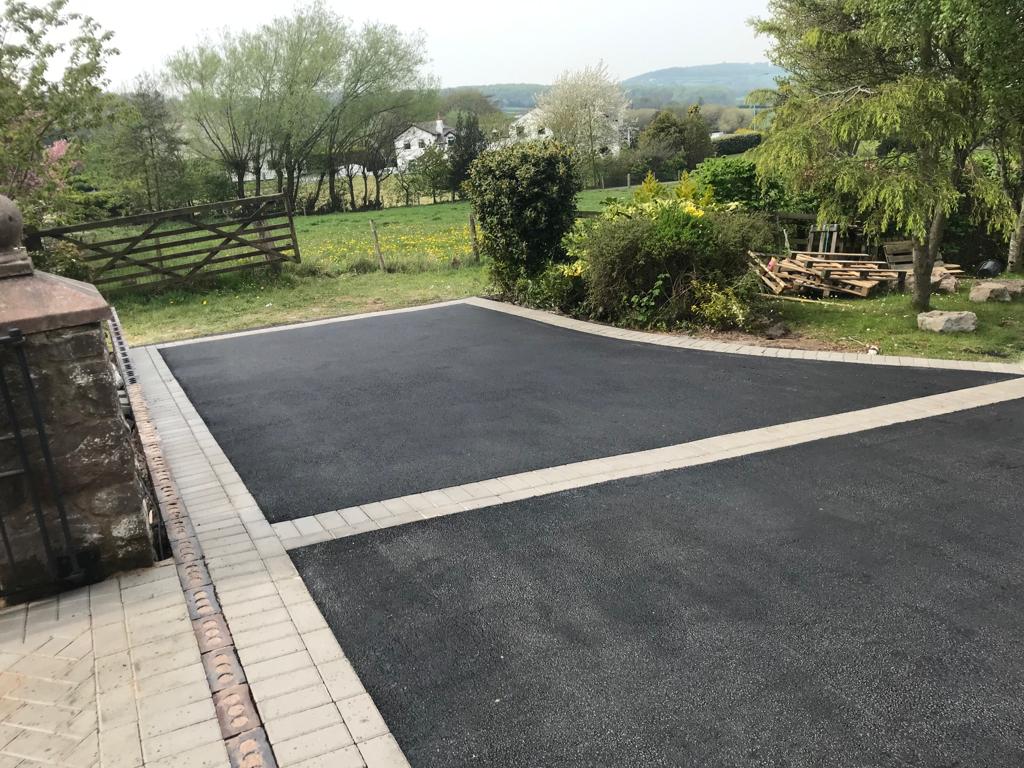

Block paving driveways require regular re-sanding to maintain their structural integrity and appearance. The jointing sand between blocks prevents movement, reduces weed growth, and ensures proper water drainage through your driveway surface.
Blackpool’s coastal climate creates specific challenges for block paving maintenance. Salt air accelerates sand erosion, whilst frequent rainfall washes away loose material. Regular re-sanding becomes essential to prevent blocks from shifting and creating uneven surfaces.
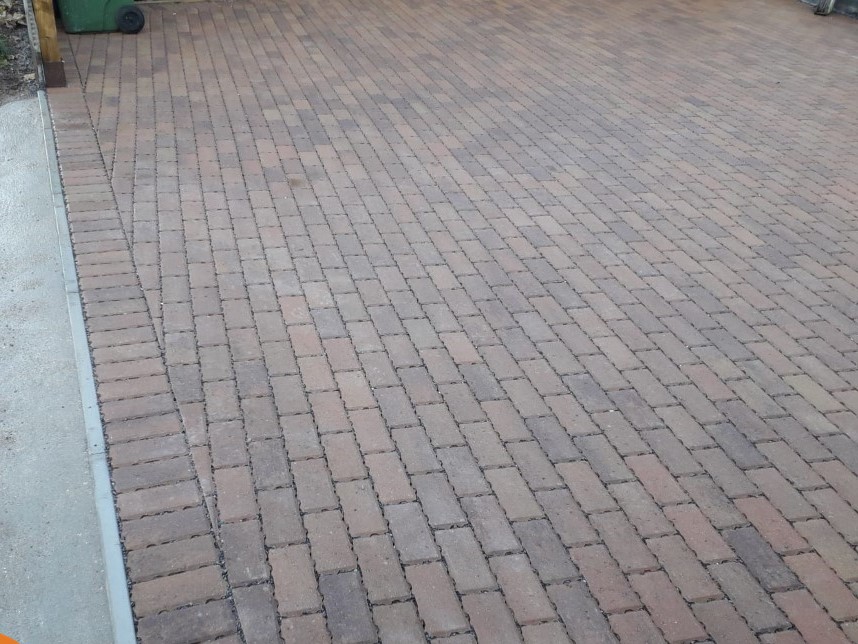
When Your Block Paving Needs Re-sanding
Check your driveway joints every six months for these warning signs. Low sand levels, visible gaps between blocks, or weeds sprouting through joints all indicate the need for fresh sand application. When complex repairs become necessary, professional intervention may be required.
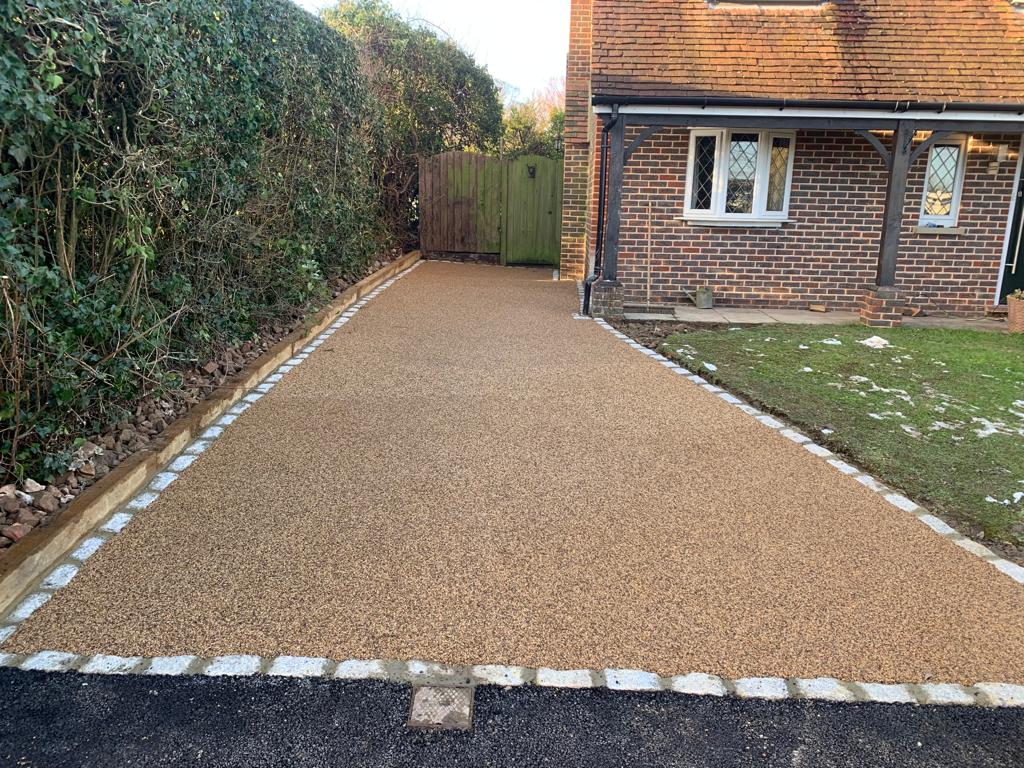
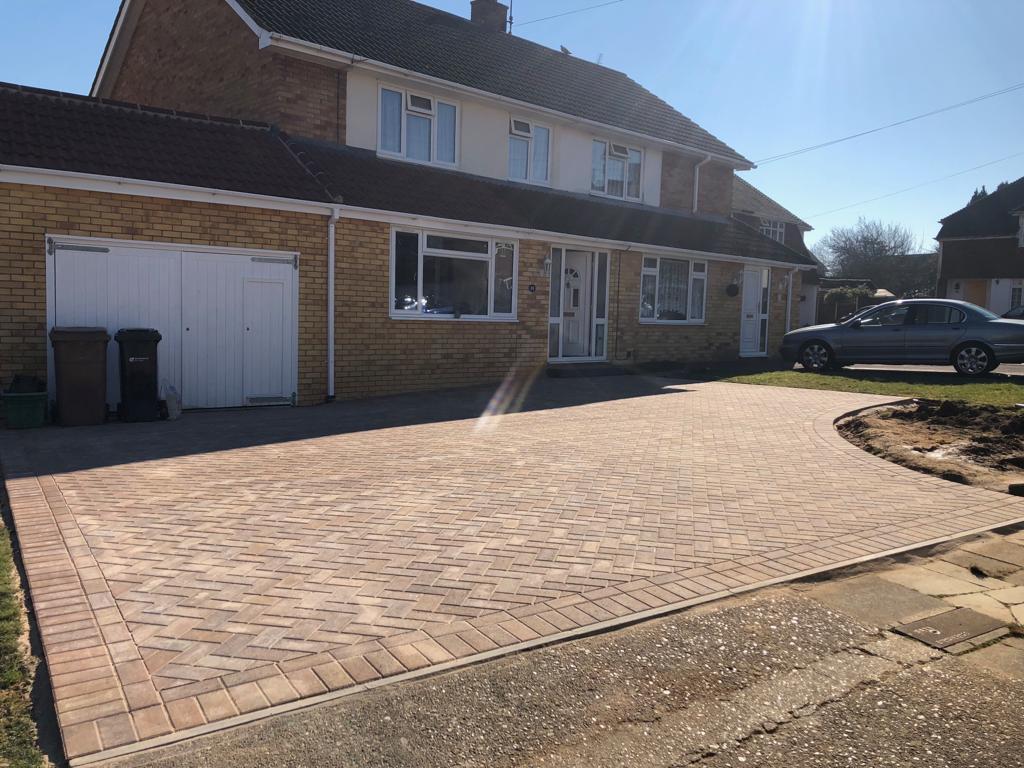
- Sand level sits more than 3mm below the block surface
- Blocks feel loose or rock when stepped on
- Water pools on the surface instead of draining through joints
- Moss or weeds appear between blocks
- Individual blocks have shifted from their original position
Choosing the Right Sand for Coastal Conditions
Kiln-dried jointing sand works best for Blackpool properties. This fine-grade sand compacts well and resists washing out during heavy rainfall. Avoid builder’s sand, which contains clay particles that can stain your blocks.
Polymeric sands offer enhanced durability in coastal environments. These products harden when wet, creating stronger joints that withstand salt air and temperature changes common along the Fylde coast.
Application Technique for Long-lasting Results
Clean your driveway thoroughly before applying new sand. Remove all weeds, moss, and debris from joints using a wire brush or pressure washer. Allow the surface to dry completely before beginning the sanding process.
- Spread sand across the entire surface using a soft-bristled broom
- Work sand into joints by sweeping diagonally across the blocks
- Remove excess sand from block surfaces with a clean brush
- Compact the sand using a plate compactor or hand tamper
- Add more sand to any joints that settle below the required level
- Lightly spray with water to activate polymeric sand if used
Maintenance Schedule for Blackpool Properties
Plan to re-sand your block paving annually, ideally during dry spring weather. Properties closer to the seafront may need attention twice yearly due to increased salt exposure and wind erosion.
Regular sweeping removes loose debris and helps identify areas needing additional sand. Address low joints promptly to prevent water damage and block movement during Blackpool’s winter freeze-thaw cycles. For new driveways, ensure proper drainage systems are installed to reduce sand washout. When considering surface options, block paving offers better drainage than tarmac but requires this ongoing maintenance.